Eastern Himalaya
Bhutan tour packagesThe Himalaya, one valley at a time
Paro, Thimphu, Punakha and Phobjikha — four Himalayan valleys, fortress-monasteries still in daily use, and a temple on a cliff 900 metres up.
About Bhutan
A country best taken at walking pace
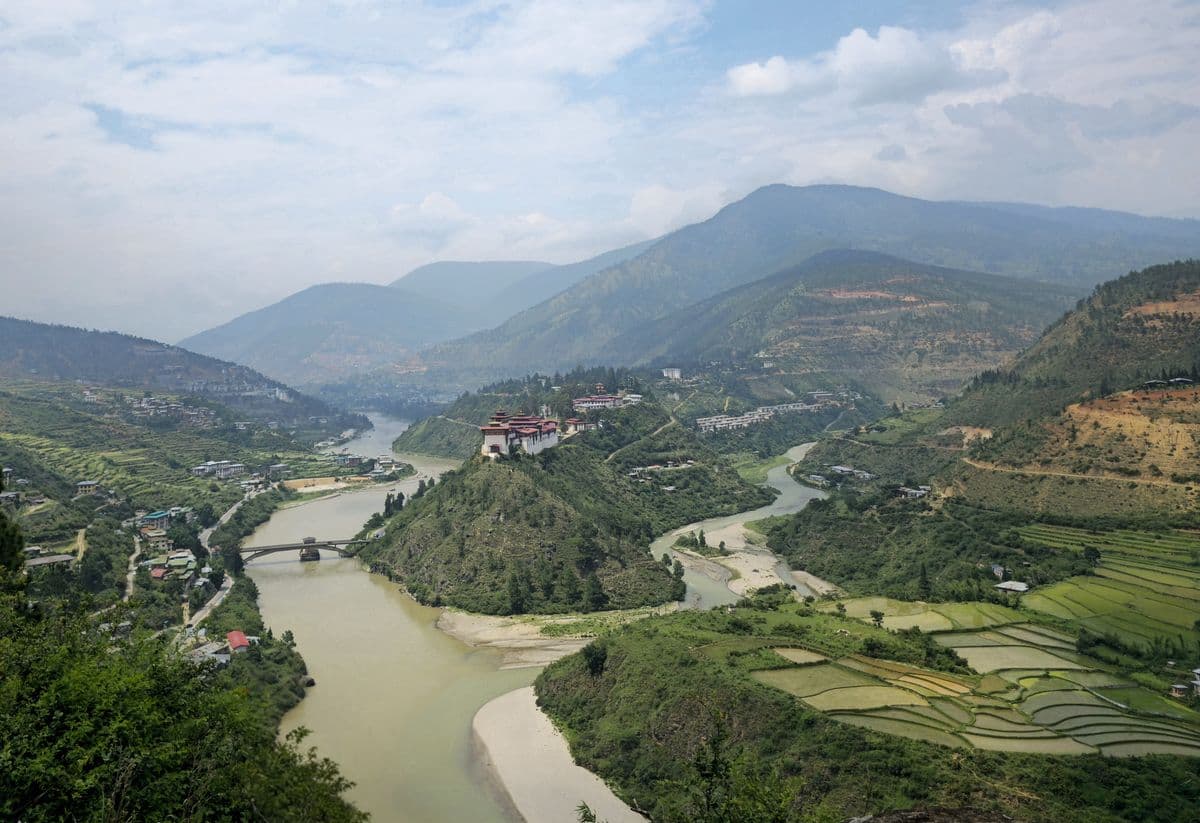
Bhutan sits on the eastern flank of the Himalaya, between the Tibetan plateau and the Indian plains, and almost everything a visitor sees is strung along a road that climbs to a pass and drops into the next valley. Paro, Thimphu, Punakha, Phobjikha: four bowls of terraced fields and blue pine, each a few hours from the last.
The arrival sets the tone. There is no non-stop service from Dubai, so the journey is broken at Delhi, Kathmandu or Bangkok, and the final leg runs along the range before banking between ridges into Paro. Every one of our Bhutan programmes opens on that descent, which tells you something about how much of the trip is the getting there.
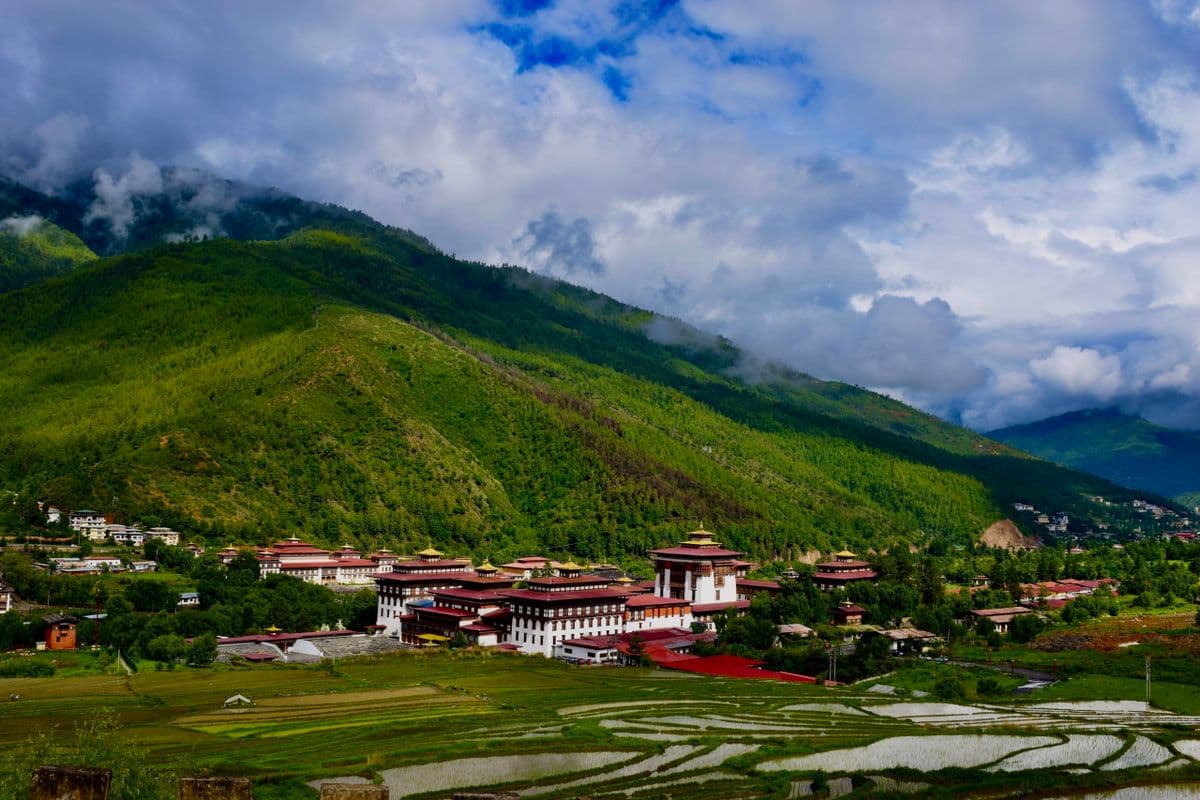
Thimphu is the capital and the only city, though it never quite reads as one. The Buddha Dordenma at Kuensel Phodrang looks down the valley from a rise a short drive out; Tashichhodzong, the fortress of the glorious religion, houses both the government and the office of the Chief Abbot and was rebuilt in the 1960s in the traditional manner, without nails and without architectural plans. The Textile Museum sets out weaving as a working national art rather than a heritage exhibit, and the Folk Heritage Museum stages rural life inside a three-storey house.
East over the Dochula pass, where 108 Druk Wangyal chortens stand in tiers, the road drops into Punakha and a noticeably warmer valley. Punakha Dzong was built in 1637 at the junction of the Pho Chhu and Mo Chhu, some 600 feet by 240, with a six-storey gold-domed tower; a suspension bridge of around 520 feet crosses the river below it, strung end to end with prayer flags. A footpath through the fields leads to Chimi Lhakhang, the fertility temple on its hillock.
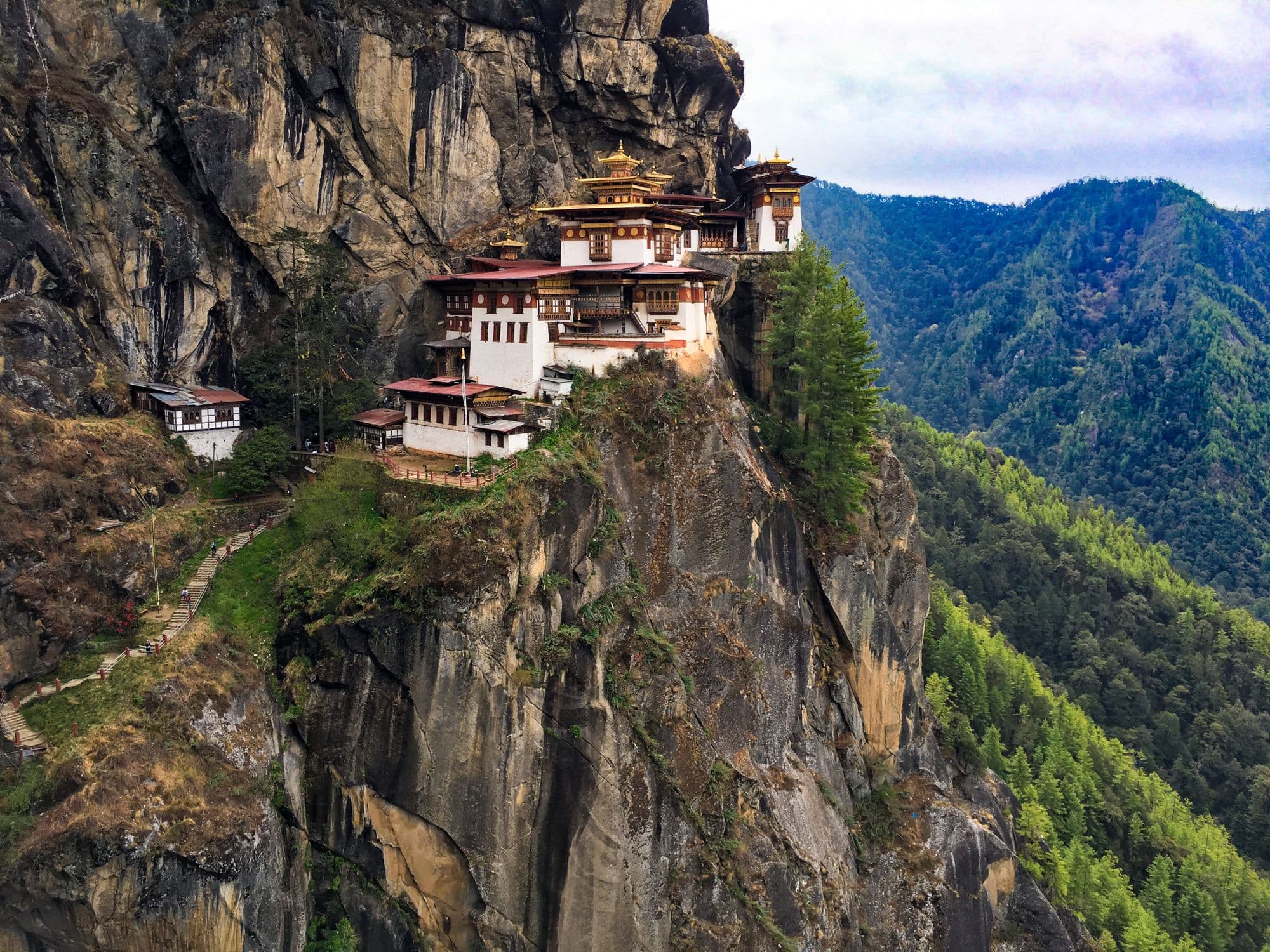
The set piece is in Paro. Taktsang clings to a cliff 900 metres above the valley floor, at roughly 3,150 metres, on the spot where Guru Rinpoche is said to have arrived on the back of a tigress and meditated. Most Bhutanese make the walk at least once in their lives; it takes visitors five hours or more on foot. A fire on 19 April 1998 gutted the main structure, and what stands today is the restoration.
Go further west and the valleys empty out. Phobjikha is the winter roost of the black-necked crane, and Gangtey Goenpa stands on a hillock rising from the valley floor, the only Nyingmapa monastery on the western side of the Black Mountains, ringed by the village of the 140 gomchens who look after it. The crane festival is held in its courtyard when the birds return.
What to see
Four valleys and the road between them
A cliff-side monastery reached only on foot. Fortresses at river junctions that still hold courts and monk bodies. A pass at 108 chortens, a fertility temple in the fields, a suspension bridge under prayer flags, and a glacial valley where cranes winter.
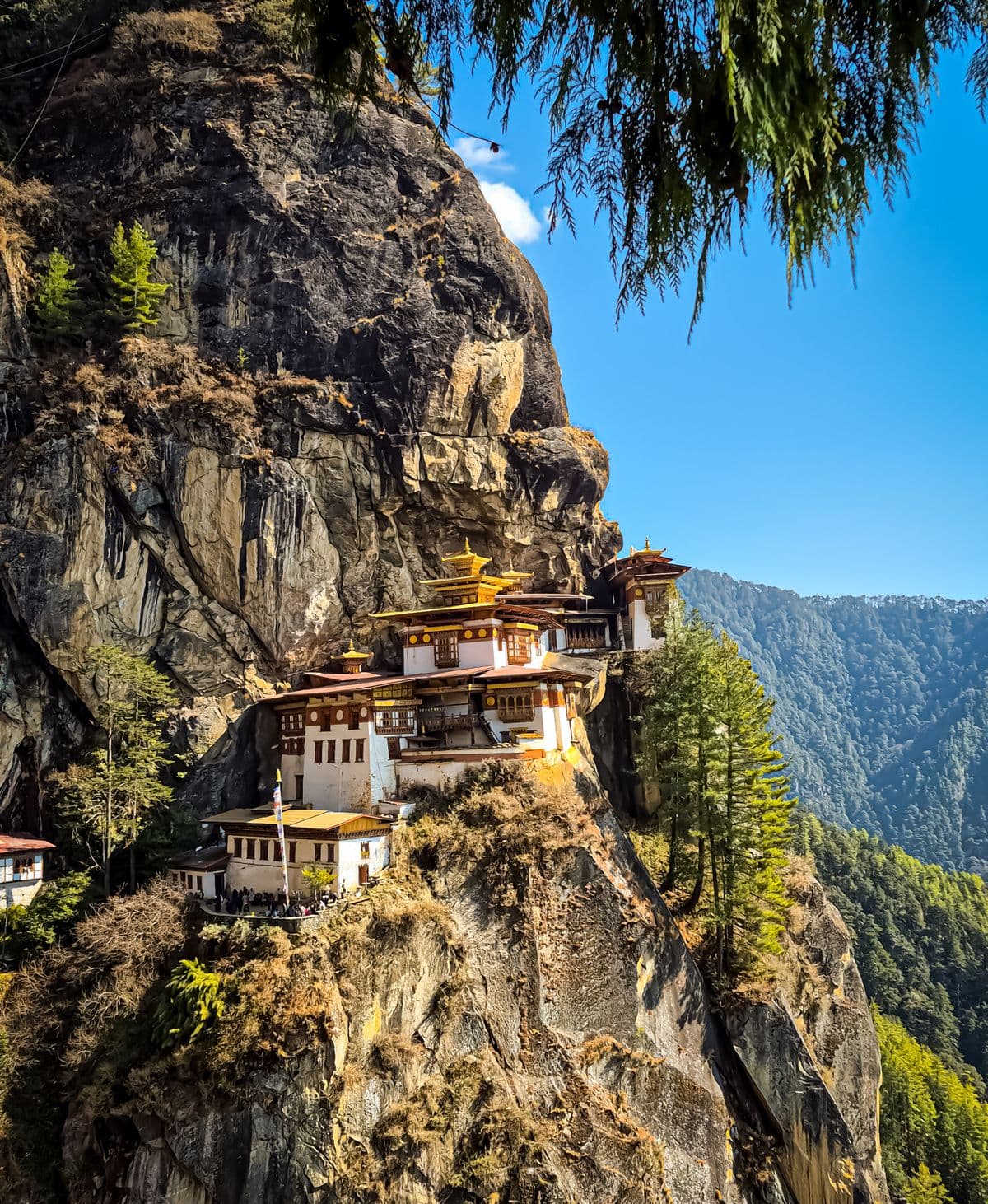 LandmarkTaktsang MonasteryThe Tiger’s Nest, on the side of a cliff 900 metres above the Paro valley floor. Five hours or more on foot, and the only way up is the path.
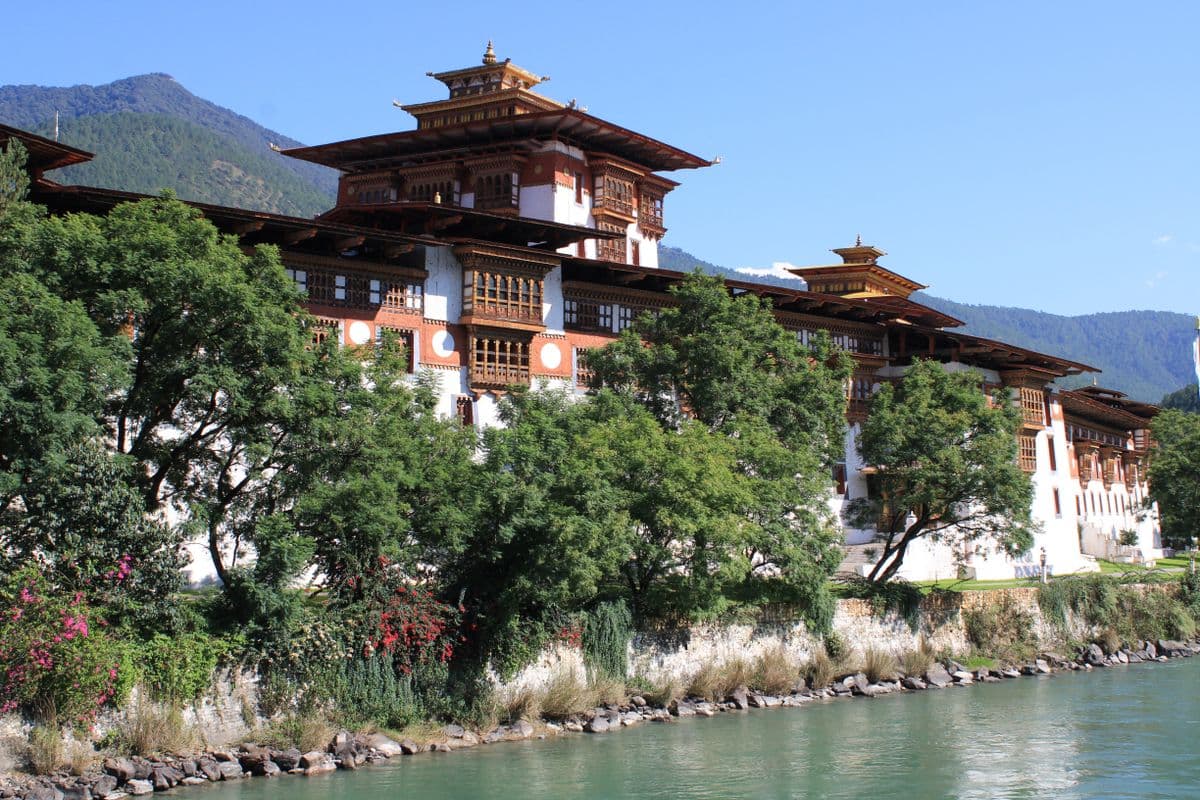 CulturePunakha DzongThe Palace of Great Happiness, built in 1637 where the Pho Chhu and Mo Chhu meet. Six storeys, a gold-domed tower, and courtyards you can walk through.
 LandmarkBuddha Dordenma, ThimphuThe largest statue in the country, on the rise at Kuensel Phodrang. Come for the whole Thimphu valley laid out below it as much as the Buddha.
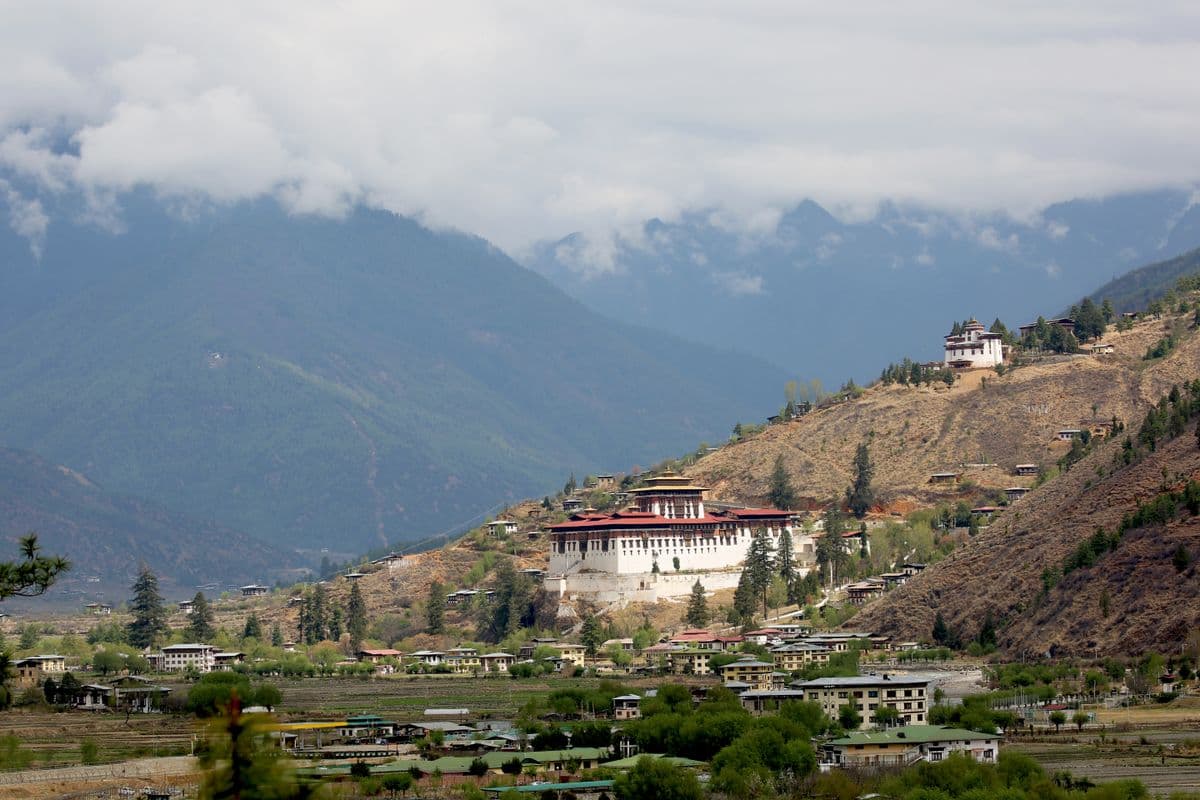 CultureRinpung Dzong & the National MuseumFortress of the heap of jewels, with the four friends and the wheel of life painted along its inner galleries. The old watchtower above it holds the museum.
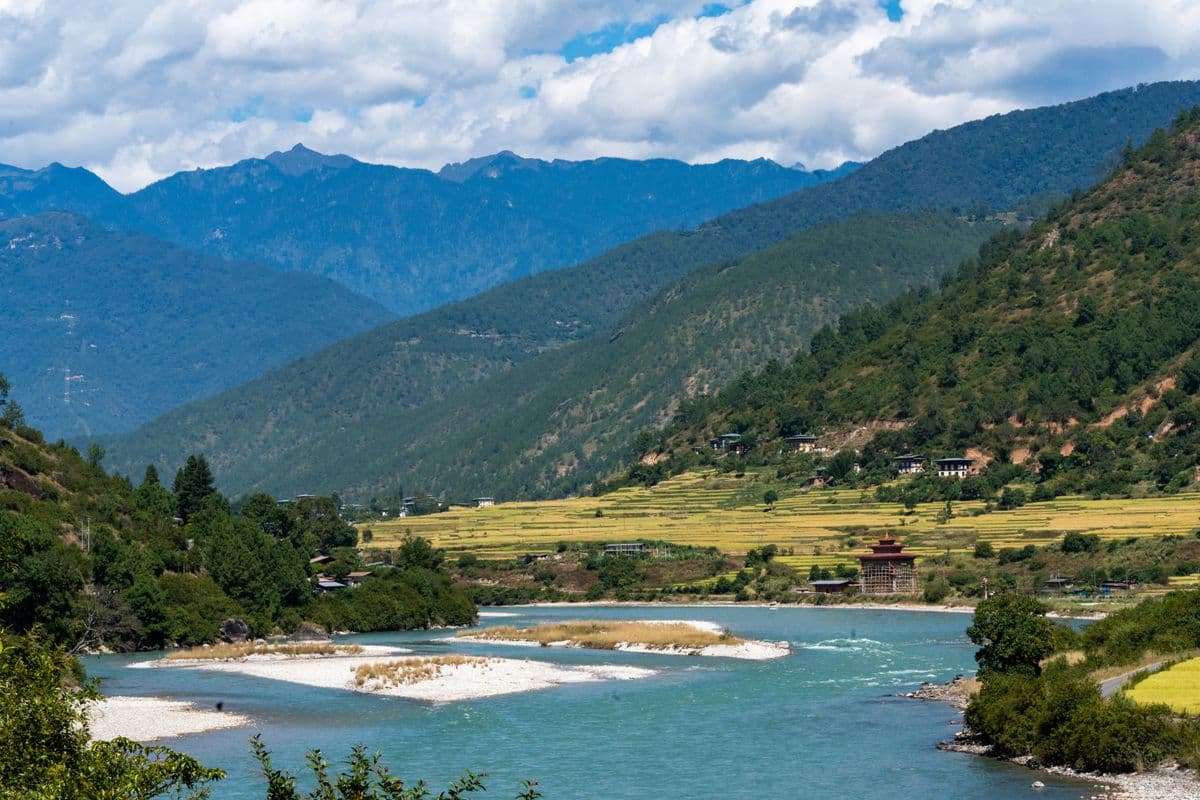 NatureDochula Pass108 Druk Wangyal chortens in tiers on the Thimphu-Punakha road, with the eastern Himalaya behind them on a clear morning.
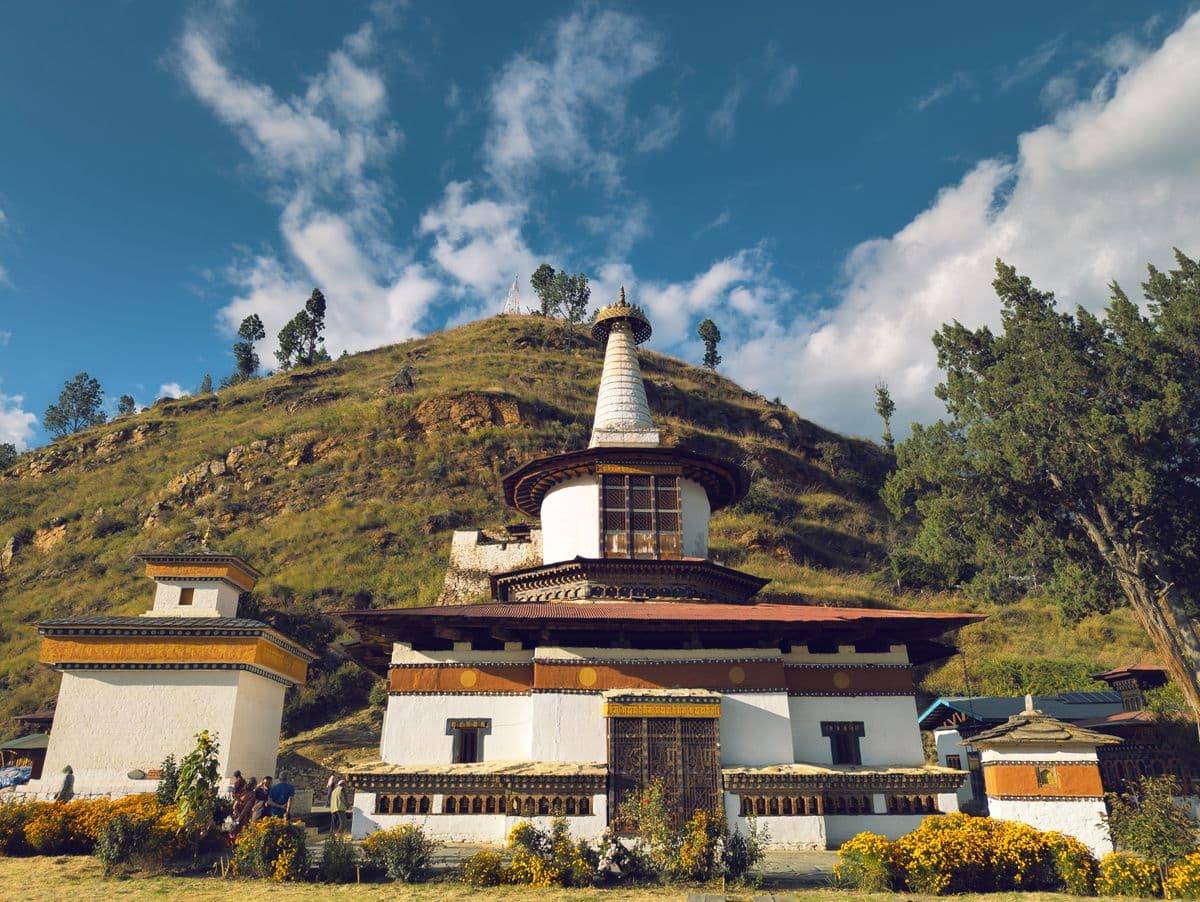 NaturePhobjikha & GangteyA glacial valley where black-necked cranes winter, a nature trail through pine and dwarf bamboo, and a visitor centre with scopes on the roost.
Cinematic Bhutan holidays
Bhutan CinemaTrip experiences
Ready-made trips
Trips we already run in Bhutan
Each one is operated with a private vehicle and an English-speaking guide, and each is a starting point — we rebuild the days around your dates and who is travelling.
Classic cityParo and Thimphu Short StayThree nights split between the capital and the Paro valley, with the whole of the last full day given to the Taktsang climb.3 nights / 4 days · Thimphu → ParoDay by dayClassic cityThimphu and Paro UnhurriedThe short stay with the rush taken out — a second night in Thimphu, a park and a museum added, and a clear day held for Taktsang.4 nights / 5 days · Thimphu → ParoDay by dayMulti-cityBhutan with PunakhaThree valleys in five nights — Thimphu, the Dochula pass down into Punakha, then Paro and a full day on the Taktsang climb.5 nights / 6 days · Thimphu → Punakha → ParoDay by dayMulti-cityBhutan with Two Nights in PunakhaThe five-night route with the Punakha half opened out — the Khamsum Yuelley hike, the nunnery on the ridge, and Taktsang to finish.6 nights / 7 days · Thimphu → Punakha → ParoDay by dayMulti-cityBhutan with Gangtey and the Phobjikha ValleyFour valleys in seven nights, including a night at Phobjikha, the glacial valley where the black-necked cranes winter.7 nights / 8 days · Thimphu → Punakha → Phobjikha → ParoDay by dayPrices shown are the lowest hotel line of each trip. Per person, twin share. Land only — international flights are not included.
Why go
Why Bhutan is worth the connection
Nowhere else in the Himalaya lets you cover this much on a single road: capital, dzongs, passes, a nunnery on a ridge, and the Taktsang climb, in under a week. Bhutan asks you to travel slowly and to arrive by connection, and it repays both.
- 01
Taktsang Monastery
The Tiger’s Nest, on the side of a cliff 900 metres above the Paro valley floor. Five hours or more on foot, and the only way up is the path.
- 02
Punakha Dzong
The Palace of Great Happiness, built in 1637 where the Pho Chhu and Mo Chhu meet. Six storeys, a gold-domed tower, and courtyards you can walk through.
- 03
Buddha Dordenma, Thimphu
The largest statue in the country, on the rise at Kuensel Phodrang. Come for the whole Thimphu valley laid out below it as much as the Buddha.
- 04
Rinpung Dzong & the National Museum
Fortress of the heap of jewels, with the four friends and the wheel of life painted along its inner galleries. The old watchtower above it holds the museum.
Practical
Planning your visit
- Best time to visit
- March to May and late September to November — settled air over the passes, rhododendron in spring, and the clearest conditions for the Taktsang climb. June to August is the monsoon, when cloud sits low in the valleys. The black-necked cranes are at Phobjikha through the winter.
- Getting there
- No non-stop service. Paro (PBH) is reached on a connection through Delhi, Kathmandu or Bangkok.
- Currency
- Bhutanese Ngultrum (BTN), pegged to the Indian Rupee
- Languages
- Dzongkha; English widely spoken, and every package carries an English-speaking guide
- Time zone
- BTT (UTC+6) — 2 hours ahead of the UAE
- Entry requirements
- Requirements vary by passport and UAE residence status, and Bhutan is arranged in advance rather than on arrival. Bhutan’s Sustainable Development Fee is included on four of the five programmes we run; no amount is published for it, so we confirm the fee that applies to your party alongside the current entry rules before you book.
Entry rules, tourism taxes and health requirements change without notice and depend on your passport. Everything above is confirmed by our operations desk before your booking is finalised.
Gallery
Bhutan in frames
Questions
Before you book
Do you offer Bhutan tour packages from Dubai?
Yes — five programmes, three to seven nights. All of them are built on Paro and Thimphu; the three longest add Punakha, and the longest of all adds a night at Phobjikha. They are quoted on enquiry rather than published at a fixed price, because Bhutan is costed per party size and hotel category rather than per person off a shelf.
How do I get to Bhutan from Dubai?
There is no non-stop service to Paro. The usual routings connect through Delhi, Kathmandu or Bangkok, and the last leg is a mountain approach that lands between ridges. Build a comfortable connection: Paro is weather-sensitive and flights are held on the ground rather than flown into cloud.
Is the Sustainable Development Fee included?
On four of the five programmes we hold, Bhutan’s Sustainable Development Fee sits inside the package price. The seven-night programme does not carry it as an inclusion. No amount is published for the fee either way, so we confirm in writing what applies to your party with the quotation rather than quote a figure that may have moved.
How hard is the walk to the Tiger’s Nest?
It is the one demanding day in every itinerary: a climb to a monastery 900 metres above the Paro valley floor, at around 3,150 metres, with no road to the top. Allow five to five and a half hours for the round trip. Every programme puts it on the last full day, so you have at least two nights in the country behind you before you start — two on the three-night trip, three on the four-night, and up to six on the longest.
How many nights does Bhutan need?
Three covers Thimphu and Paro and gets you up to Taktsang, but with no spare day if the weather turns. Five adds the Dochula pass and Punakha, which is the drive most people remember. Seven adds Phobjikha and the crane valley, and is the only version that goes west of the Black Mountains.
When should UAE residents travel?
March to May and late September to November. Spring brings rhododendron on the ridges and autumn brings the clearest air over the passes, which matters on the Taktsang day. The monsoon runs June to August. Winter is cold in the high valleys but it is when the black-necked cranes are at Phobjikha.
Also consider
You may also like
Enquire
Plan your trip to Bhutan
Tell us your dates and who's travelling. We'll build the itinerary and quote it properly — no templates.